


Improving school attendance and persistent absence
What works, and what the Bury and Sefton analyses found.
Read the guide
Behaviour and attendance
How wellbeing drives attendance and behaviour, and what the evidence shows.

Attendance and behaviour are often the first signs that a child's needs aren't being met. When children understand their emotions and have the tools to manage them, they're more settled, more engaged and more likely to be in school. The guides on this page explain what the evidence shows and the practical steps that make a difference for every child.

The research tells us that children with unmet social, emotional and mental health needs are seven times more likely to miss 15 or more days of school. By supporting children's wellbeing, we know that behaviour and attendance will improve too.

Explore the topic further in the guides below.
What works, and what the Bury and Sefton analyses found.
Read the guidePreventing escalation before it leads to exclusion.
Read the guideThe impact is evident across the school community: calmer environments, more confident children and a stronger sense of belonging for all.

The programme has had a measurable positive influence on attendance, engagement, behaviour, and overall school culture. It has helped us create an environment where both children and adults feel supported, valued, and equipped to thrive.
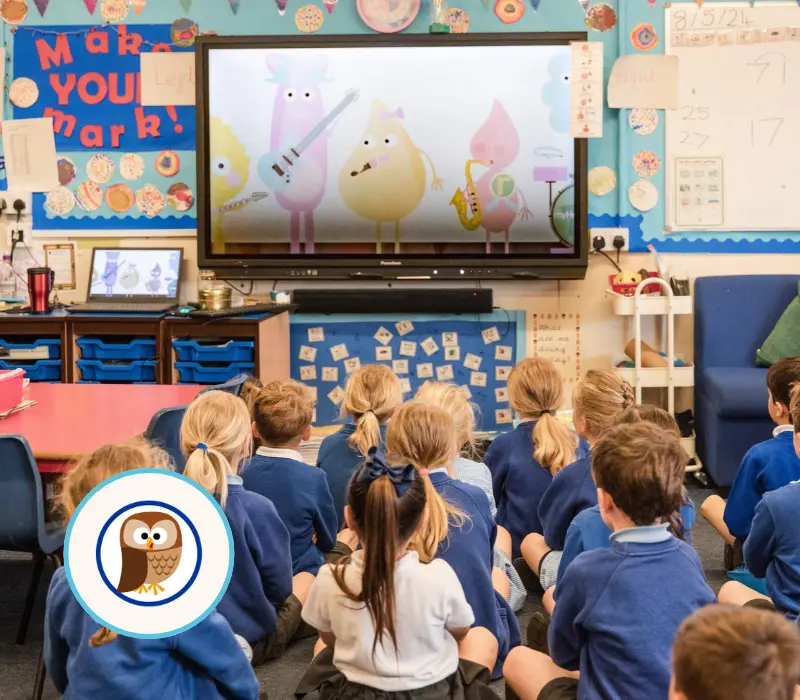
myHappymind has become a cornerstone of our whole-school approach to mental health and wellbeing. The positive impact on our children has been visible since the start of the programme.