
Emotional literacy and self-regulation
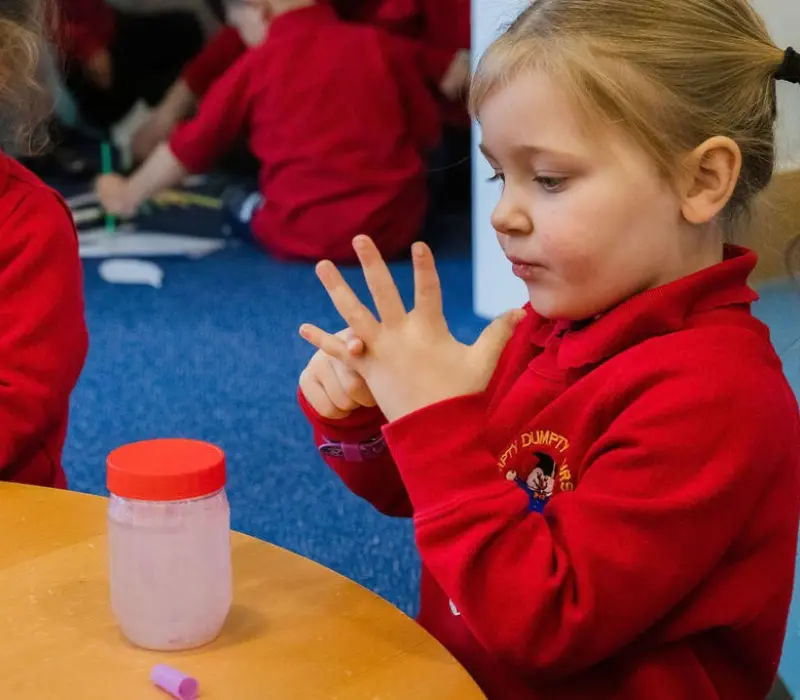
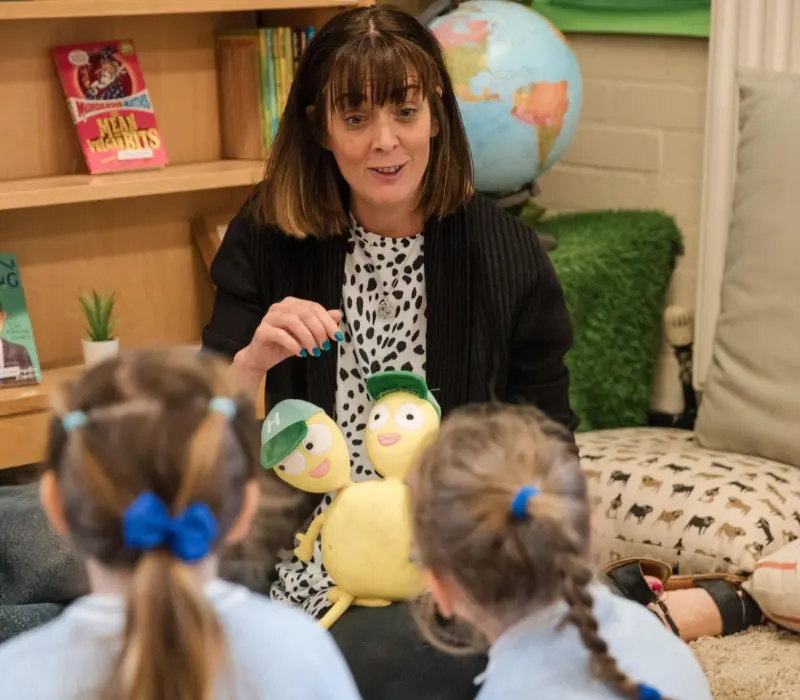
Children are better able to understand, articulate and manage their emotions.
Our evidence
Evaluations by the NHS, Centre for Mental Health, University of Chester and over 50 local authorities reveal the profound impact myHappymind has. Let's explore what they found.
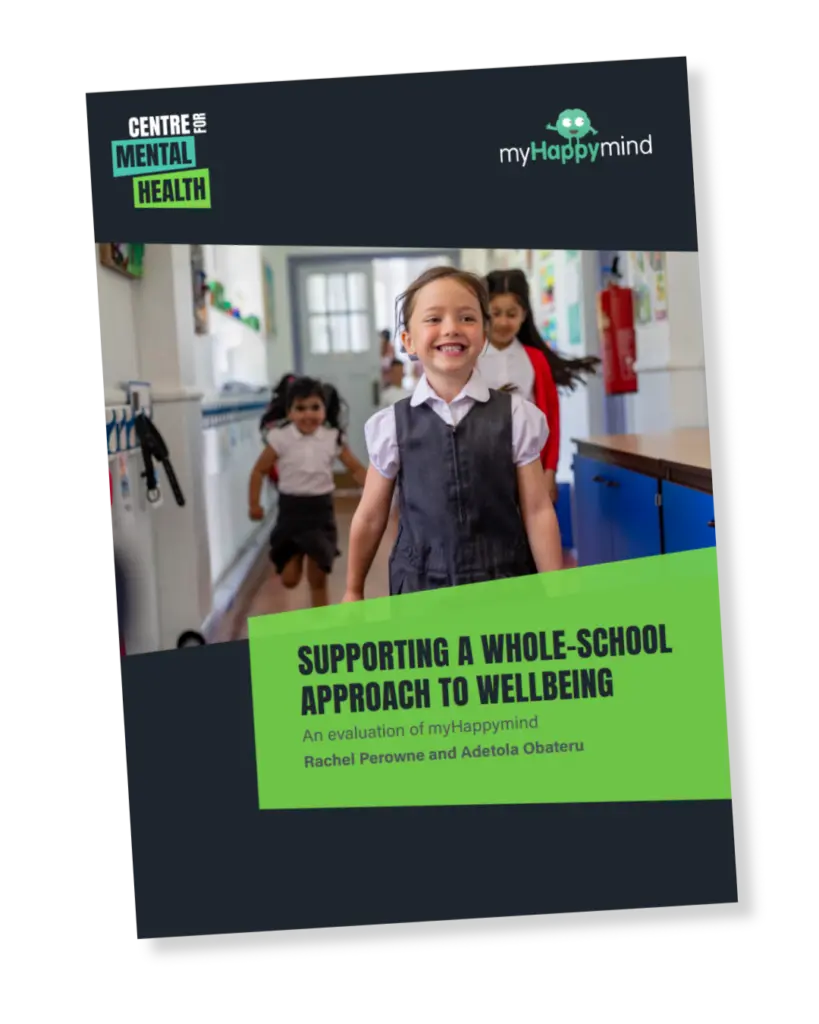
The Centre's evaluation reviewed myHappymind’s evidence base and conducted detailed case studies of the programme's implementation in Hampshire and the Isle of Wight (HIOW) and Bradford, including 70,000 children. The analysis draws on teacher surveys completed before, during, and after delivery, as well as return-on-investment (ROI) surveys from headteachers and SENCOs. It included interviews with headteachers, teachers, and commissioners.
Children are better able to understand, articulate and manage their emotions.
Needs are addressed earlier, suggesting less need for external referrals or crisis support.
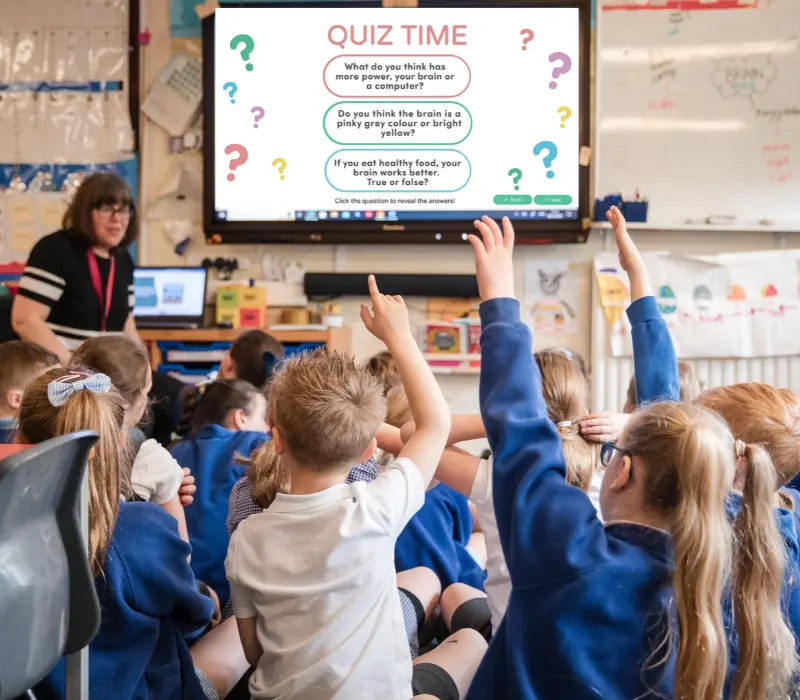
Pupils are calmer, more settled and more prepared to learn.
Effective across trauma, SEN and complex backgrounds.
Following the evaluation, the Centre for Mental Health put five actions to government:
Children are better able to recognise their strengths, express themselves, and engage in discussions about their wellbeing. This contributes to a stronger sense of inclusion and belonging within the school environment.
The programme is consistently described as proactive rather than reactive. Pupils are equipped with strategies early, enabling schools to address emotional and behavioural needs before they escalate. This suggests a reduction in the need for external referrals, interventions, or crisis support.
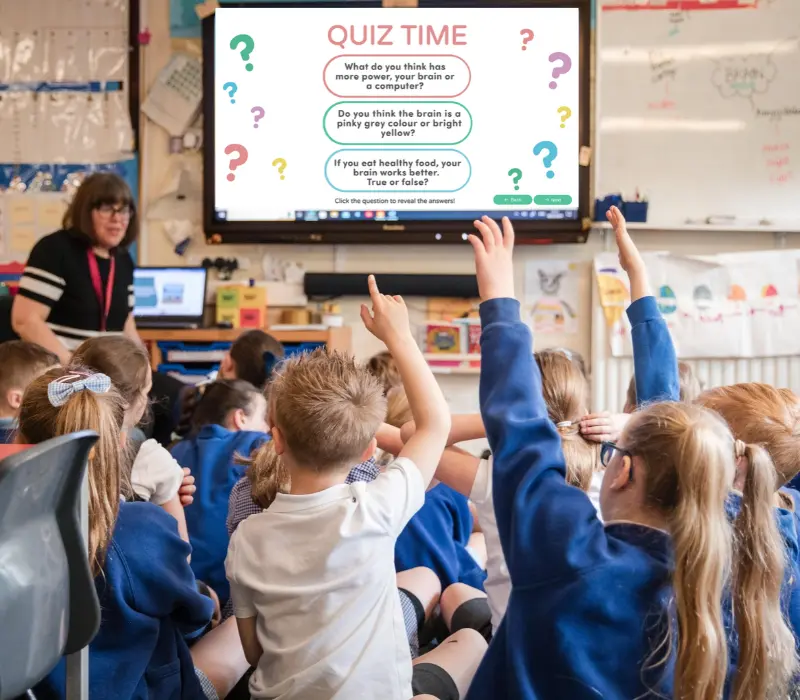
The myHappymind programme and whole-school approach had a significant impact on pupil, teacher and parent behaviour.
The University of Chester's real-world evaluation report found myHappymind to be an effective school-based approach to developing positive behaviours that strengthen pupil mental health, resilience and wellbeing, consistent with current UK education and health policy.

Yes. A national return-on-investment study of more than 1,000 schools found that myHappymind prevented 7,551 children from being referred to CAMHS and 11,174 children from being referred to Mental Health Support Teams (MHSTs).
The same national study found that investing in myHappymind's preventative approach resulted in cost avoidance of 18.5 times the cost of implementing the programme.
Independent analyses by Bury and Sefton councils compared myHappymind schools with comparison schools. In both areas, myHappymind schools saw faster improvements in attendance and in pupils meeting the KS2 expected standard. The gains were largest in high-SEN and the most deprived schools.
In Bury (July 2026), attendance rose by 0.6 percentage points in myHappymind schools while it fell in comparison schools. In Sefton (August 2026), attendance in myHappymind schools improved 2.1 times faster than in comparison schools (+1.26pp vs +0.60pp).
Yes. In Bury, persistent absence fell 7.4 times faster in high-SEN myHappymind schools than in comparison schools (2.44pp vs 0.33pp). High-SEN schools are schools where 20% or more of pupils have SEN.
In Bury, the number of pupils meeting the KS2 expected standard improved 12.5 times faster in myHappymind schools (+6.27pp vs +0.50pp). In Sefton, 60.17% of pupils in myHappymind schools met the KS2 expected standard, compared with 57.86% in comparison schools.
In Sefton, attainment improved 3.4 times faster in the most deprived myHappymind schools than in comparison schools (+3.89pp vs +1.13pp). The most deprived schools are those in IMD 1–3.