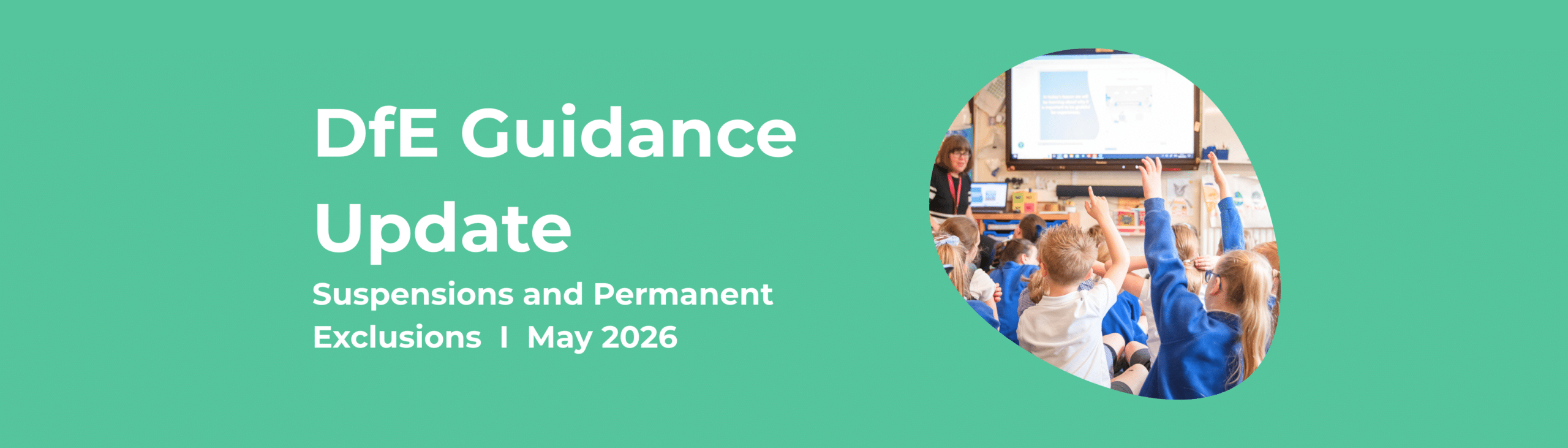
The updated DfE suspensions and permanent exclusions guidance gives schools a clear message: Exclusions remain available where they are needed. At the same time, permanent exclusion should sit within a wider culture of prevention, support and reintegration.
For schools, this means looking at what happens before behaviour reaches crisis point, as well as how pupils are supported after a suspension, off-site direction or safeguarding-related separation.
What Does the Guidance Highlight to Schools?
The Need for Calm, Safe and Supportive Environments
The guidance reflects the government’s aim for schools to create high standards of behaviour.
This is so pupils are protected from disruption and can learn in a calm, safe and supportive environment.
Using Permanent Exclusion as a Last Resort
Suspensions and exclusions may sometimes be necessary.
The guidance also confirms that permanent exclusion should only be used as a last resort. It does not say schools should avoid exclusions at all costs.
No “No Exclusion” Policies
Schools and local authorities should not adopt a “no exclusion” policy as an aim in itself.
Instead, the focus should be on creating environments where exclusions are not necessary because behaviour does not require them.
Use of Reintegration After Suspension or Off-Site Direction
Schools are expected to support pupils to reintegrate successfully after a suspension, off-site direction or safeguarding-related separation.
Reintegration should offer a fresh start, help pupils understand the impact of their behaviour, rebuild belonging and support engagement with learning.
Use of Parental Engagement
Reintegration strategies should be clearly communicated, involve parents where possible, and be reviewed regularly with the pupil, parents and relevant parties.
SEND, Health Needs and Reasonable Adjustments
The guidance reminds schools to consider equality duties, SEND responsibilities and reasonable adjustments when making decisions around exclusions.
It also notes that if reasonable adjustments have not been made for a pupil whose disability can affect behaviour, an exclusion decision may be discriminatory.
Part-Time Timetables, Off-Site Direction and Managed Moves
Part-time timetables should not be used to manage behaviour and should only be in place for the shortest time necessary.
Off-site direction should be used only to improve future behaviour. It should not be used as a sanction for past misconduct.
Governor Review
Governing boards should review data around pupil moves and the characteristics of permanently excluded pupils.
This helps ensure exclusion is used only where necessary and as a last resort.
What This Means for Schools
The guidance reinforces the link between behaviour, wellbeing, SEND and inclusion.
For school leaders, it highlights the importance of a calm and supportive whole-school culture.
For SENCOs and inclusion leads, it reinforces the need to understand SEND, health needs, reasonable adjustments and reintegration.
For governors, it highlights the importance of reviewing data and patterns around exclusions and pupil movement.
The guidance does not suggest that schools should never exclude. It asks schools to make sure exclusion sits within a wider system of prevention, support and appropriate intervention.
What Schools May Want to Consider
Schools may want to review how their current behaviour, wellbeing and inclusion systems work together.
This could include looking at:
- How pupils are supported before behaviour escalates
- How SEND and health needs are identified
- How reasonable adjustments are considered and recorded
- How reintegration plans are communicated and reviewed
- How parents are involved where possible
- How governors review patterns in exclusions and pupil movement
- How attendance, persistent absence and behaviour data are reviewed together
These checks can help schools bring existing support into a clearer, more joined-up approach.
How This Links to Wellbeing, Attendance and Mental Health
The guidance links closely to wellbeing and mental health because it focuses on prevention, support, belonging and reintegration.
It points to the need for effective early intervention, pastoral support, SEND awareness and preventative approaches before behaviour reaches the point of exclusion.
This also links to attendance and persistent absence. When pupils feel supported, understood and connected to school, this can form part of a wider approach to helping children stay engaged with learning.
myHappymind helps schools build a whole school culture of wellbeing, a shared language, emotional literacy, self-regulation strategies that supports pupils before difficulties escalate. Our new programme myHappymind Belong, provides comprehensive support for inclusion in mainstream.
It can also support teaching staff through CPD, practical resources and consistent language across school and home.
The Proven Impact myHappymind is Having on Behaviour and Attendance
Data from independent local authority evaluations show how a whole-school wellbeing approach supports behaviour, attendance, safeguarding and inclusion.
In 2025, an independent study by Portsmouth Council looked at schools using myHappymind compared with schools not using the programme.
The study used council data across Portsmouth primary schools and focused on attendance, behaviour and safeguarding impact.
The data showed that suspensions increased by 118% in non-myHappymind schools, compared with a 20% increase in myHappymind schools.
These findings show how a whole-school wellbeing approach can support wider work around attendance, behaviour, safeguarding, SEND and inclusion.
How myHappymind Supports Behaviour, Attendance and Inclusion
The updated guidance is a helpful reminder that behaviour support works best when it is connected to prevention, inclusion and wellbeing.
A clear, joined-up approach can help schools support pupils earlier, respond consistently and keep children connected to learning where possible.
myHappymind for Primary Schools supports schools to build a positive wellbeing culture through shared language, emotional regulation tools, staff CPD, parent support and practical whole-school wellbeing resources.
For schools focusing on SEND and inclusion, the myHappymind Belong programme can support the wider areas highlighted in the guidance.
This includes:
- Inclusive practice
- Reasonable adjustments
- SEND-aware behaviour support
- Early intervention
- Reintegration planning
- Parent engagement
Belong can help schools move from knowing they need to be inclusive to having a structured, practical way to show and deliver it.
Frequently asked questions
The guidance strengthens the focus on calm, safe and supportive environments, early intervention, reintegration, SEND awareness, reasonable adjustments, parent engagement and governor review.
No. Suspensions and exclusions remain available where necessary. Permanent exclusion should be used only as a last resort.
Reintegration should offer pupils a fresh start, help them understand the impact of their behaviour, rebuild belonging and support engagement with learning.
The guidance links to school wellbeing because it focuses on prevention, belonging, emotional regulation, early support and reintegration. These areas also connect with wider school priorities such as attendance, persistent absence, SEND and inclusion.