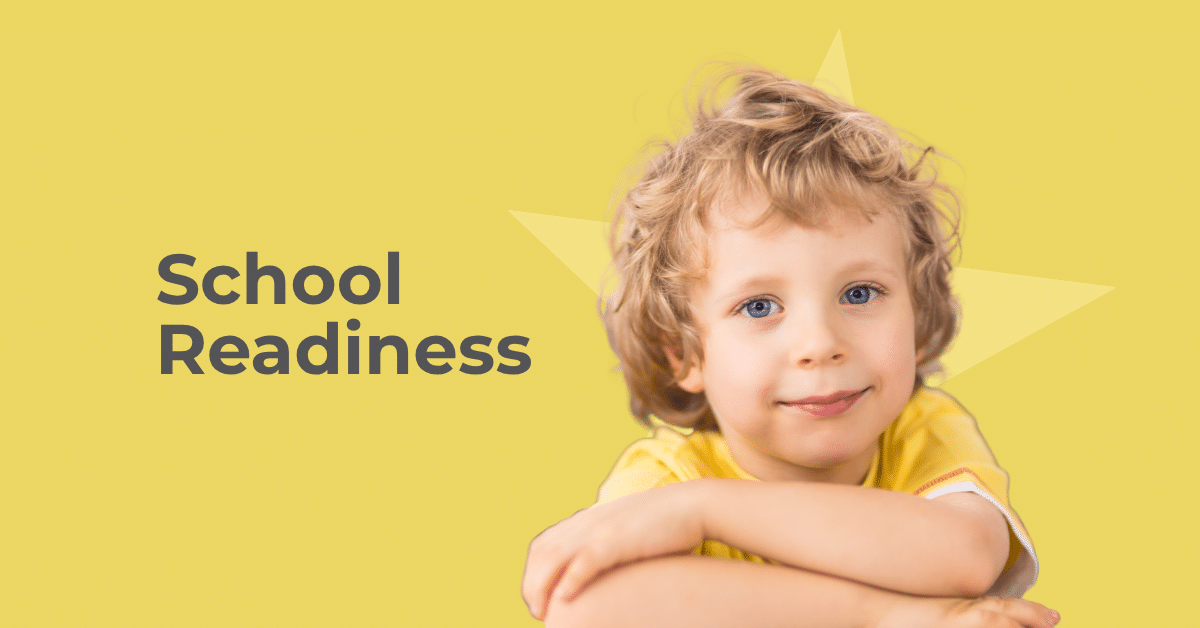
School Readiness in the UK: Why 37% of Children Start Reception Not Ready
Starting school should feel positive.
For a growing number of children, the transition to Reception is becoming harder. Not because they lack ability, but because they are not school-ready: able to manage the emotional, social, physical and communication skills children need to successfully start school and engage with learning.
Recent national evidence shows that school readiness in the UK is changing. It is no longer just about early learning. It is about how children feel, how they cope with change, practical life skills like toileting and how ready they are to engage with learning from day one.
What matters is this: readiness is not fixed. With the right support, children can build the confidence, independence and emotional skills they need to thrive.
The Problem: School Readiness Looks Different Now
For many years, school readiness was discussed mainly in academic terms. What the evidence and sector feedback now indicate is different.
Reception and early years staff report that the biggest barriers to children settling and learning when starting school are:
- Emotional regulation
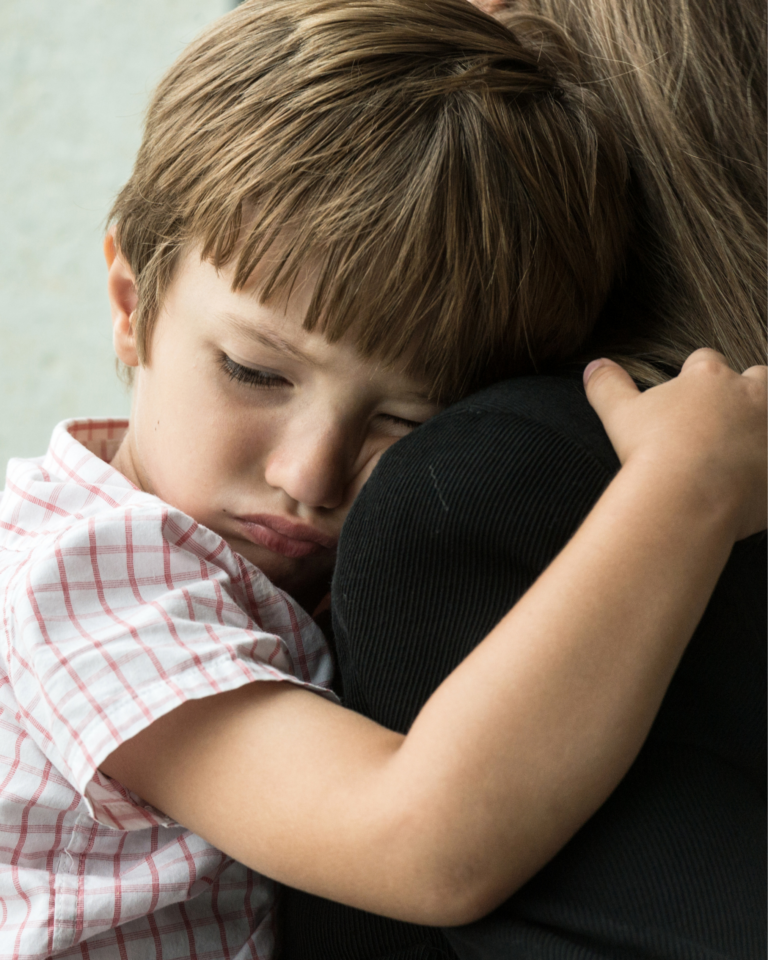
- Confidence and separation from parents
- Communication and language
- Independence and self-care
These challenges shape children’s early experiences of school and affect how quickly learning can begin.
What The Evidence Is Showing About School Readiness
The Kindred Squared School Readiness Survey (January 2026), which surveyed over 1,000 schools, reflects patterns being seen across many areas of the UK.
Overall School Readiness
- 37% of children starting Reception in 2025 are not school-ready
- This is up from 33% in 2024
- 52% of primary staff say the proportion of children not ready has increased
Teaching Time And Classroom Impact
- 2.4 hours of teaching time lost per day to catch-up needs
- 1.4 hours per day spent on toileting alone
- 68% of staff say they spend more time supporting children who aren’t ready than the rest of the class
Evidence and sector feedback indicate that a significant part of the first term is now focused on helping children feel safe, calm and settled before learning can fully begin.
What Children are Finding Most Difficult when Starting Reception
School readiness challenges are wide-ranging and often overlap.
Independence and Self-care
- 26% of children start Reception not toilet-trained
- 28% cannot eat or drink independently
- 59% struggle to dress independently
Emotional Regulation and Separation
- 32% become overly upset when away from parents
- 64% of staff say a lack of emotional regulation causes disruption
- 76% report that difficulty sitting still has a moderate to major impact
Communication and Learning Behaviours
- 82% of staff report difficulty listening or responding to instructions
- 70% say children struggle with basic language skills
- 68% say children are unable to communicate needs
These challenges affect whole-class learning, not just individual children
The Gap Often Starts Before Children Arrive at School
Schools report that many school readiness challenges are already present by the time children enter Reception.
Staff identify contributing factors, including:
- Fewer opportunities to develop emotional and social skills
- Reduced adult-child interaction
- Uncertainty about what school readiness involves
- Identified or suspected SEND
Many families are doing their best within increasing time pressures, cost of living challenges and uneven access to early support.
For children with identified or suspected SEND, readiness may look different and requires flexible expectations, supportive environments and tailored approaches.
At the same time:
- 94% of parents say they want clear guidance on school readiness
- Most say they would like that support before age four
This points to the need for earlier, preventative support that helps children build strong foundations and reduces the escalation of need once children enter school.
Responding to what Schools and Families are Telling Us
At myHappymind, our work is shaped by ongoing conversations with schools, early years teams and families, alongside the wider evidence base.
Over the past year, a consistent message has emerged. Schools are looking for practical, developmentally appropriate ways to support children before they reach Reception. Parents are asking for clearer guidance and simple tools they can use at home.
In response, we have been developing a new School Readiness programme. This programme enhancement provides a new module available both within the myHappymind for Primary Schools programme and myHappymind for Early Years programme.
What our School Readiness Programme is Being Designed to Do
The programme has been developed by our early years specialists to support the emotional, social and physical foundations children need as they prepare for school.
Building on the neuroscience and positive psychology foundations of myHappymind, the programme focuses on:
- Helping children feel calm and confident during transitions
- Developing emotional regulation and communication skills
- Encouraging independence through familiar routines
- Teaching self-care skills such as toiletting
Children practise all these skills through storytelling, movement and creative play, supported by adults who understand how young brains grow best.
The intention is to support shared language, routines and understanding across home, early years settings and schools, helping learning transfer more consistently between environments.
How Schools and Families Can Better Support School Readiness
School readiness is not something that can be addressed in the final weeks before Reception.
The evidence points to the value of earlier support, shared understanding and practical approaches that fit real settings and family life.
Supporting school readiness works best when families, early years settings and schools are aligned and supported by clear, realistic guidance at a system level.
Our School Readiness programme has been developed with this evidence in mind.
To find out more, book a call with our team
Interested in Finding out More?
Already a myHappymind school? Contact your Customer Happiness Manager or email hello@myhappymind.org to get started.
New to myHappymind? Book a call with our team today:
FAQs
School readiness refers to a child’s ability to transition into Reception with the emotional, social and practical skills needed to access learning. This includes emotional regulation, communication, independence and the ability to follow routines, not just academic knowledge.
Recent UK data suggests that around 37% of children are not fully school ready at the point of starting Reception. Schools and early years settings report increasing needs in areas such as emotional regulation, communication and independence, reflecting broader developmental and societal changes rather than a single cause.
Schools and settings can support school readiness by:
- Focusing on emotional development alongside early learning
- Establishing consistent routines and shared language
- Supporting independence and self-care skills
- Strengthening partnerships with parents and carers
Structured transition approaches can help create smoother, more confident starts to school for whole cohorts.
Author