Celebrating Strengths in the Classroom
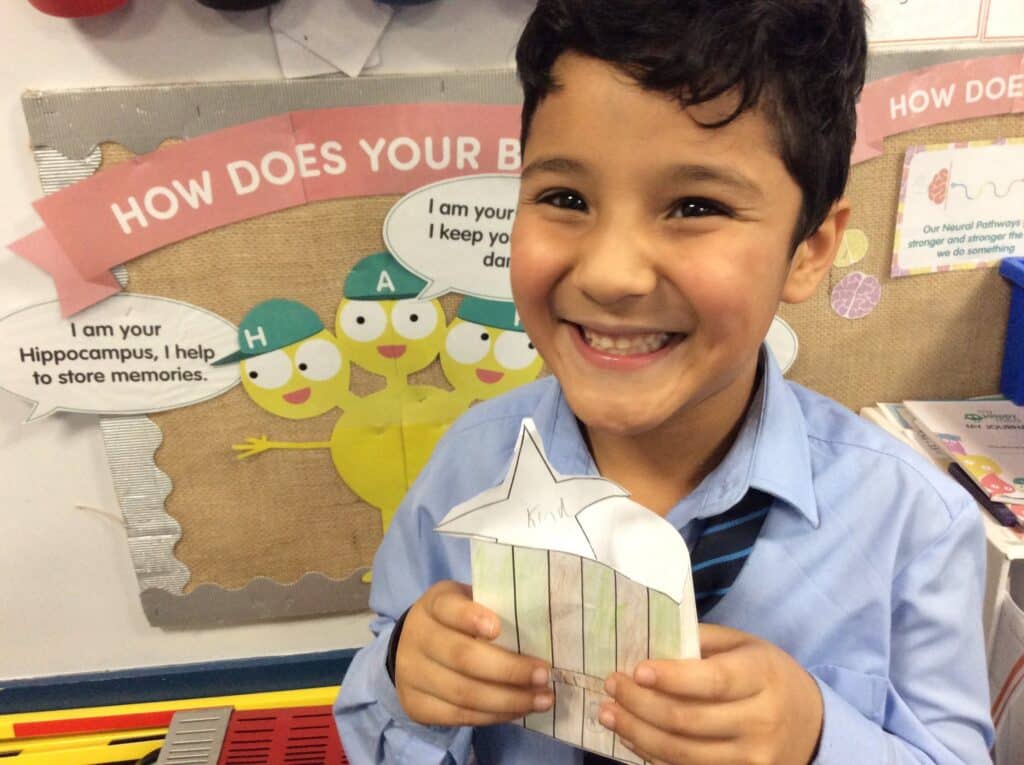
Year 3 pupils at Fagley Primary School explored Character Strengths as part of their myHappymind learning, creating colourful reminders of the qualities they use every day. By choosing strengths that felt meaningful to them, children were supported to reflect on what they are good at and how these strengths show up in school life. Activities like this help children build confidence, recognise positive behaviours and notice strengths in themselves and others. This directly supports resilience, self belief and a positive school culture of wellbeing where children feel valued and understood.
Try this in your Primary School:
- Invite children to choose a story with strong characters, such as The Gruffalo, Giraffes Can’t Dance or Be Brave Little Penguin.
- Ask them to put on their “strengths glasses,” and as you read, encourage them to spot and share Character Strengths they notice in the characters, using a strength checklist if helpful, before summarising these strengths together at the end of the story.
- For myHappymind schools get your strengths spotting resources here.
Recognising Gratitude and Appreciation
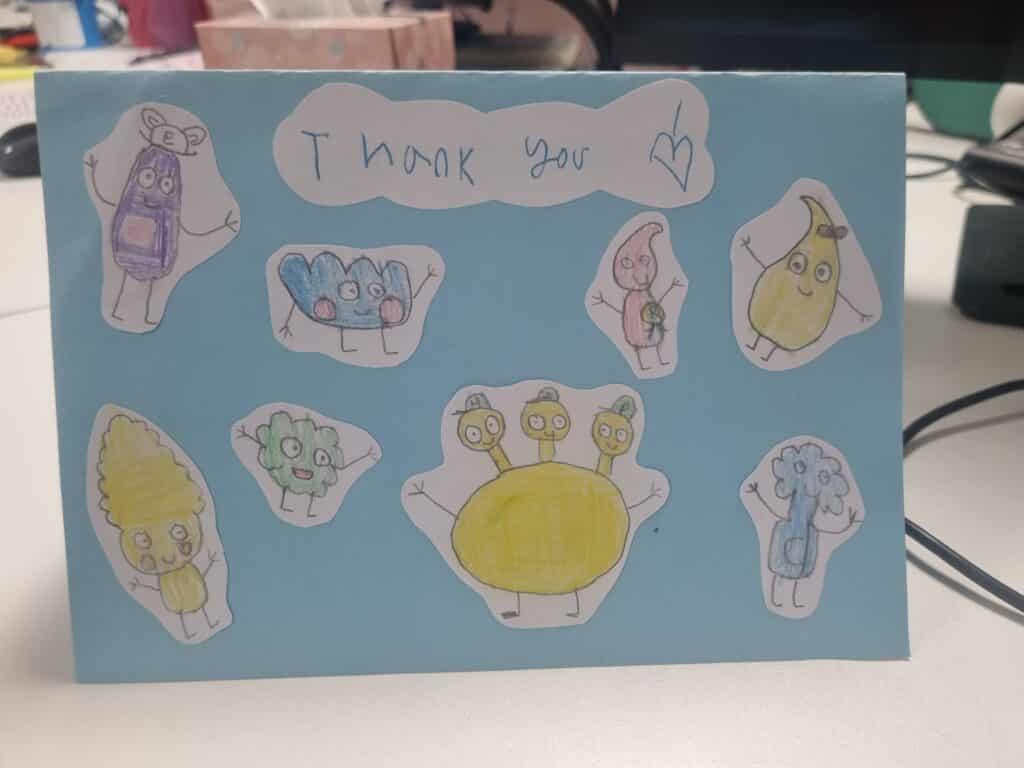
We were delighted to receive this thoughtful card created by pupils at St John Bosco.
Gestures like this reflect the strong relationships schools build through wellbeing learning and the importance placed on recognising positive experiences.
Try this in your Primary School:
Create regular opportunities for children to share gratitude, such as:
- Writing thank you cards.
- Adding notes to a class gratitude display.
- Verbally recognising kind actions during circle time.
- Or create a ‘Thankful Tree’. myHappymind schools can access the resource here.
Celebrating a Love of Learning
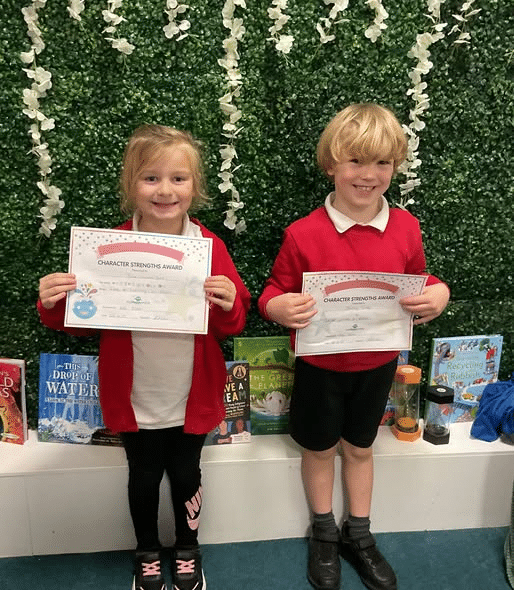
Pupils proudly held up their end of module certificates, celebrating their curiosity, effort and positive attitudes towards learning.
Recognising these moments helps children feel confident and motivated, while reinforcing that enjoying learning and trying their best truly matters.
Try this in your primary school:
- During each module, verbally celebrate the moments when children incorporate the myHappymind Habits into their daily routine.
- myHappymind schools can also access the end of module celebration certificates here.
Want to share your school wellbeing tips?
If your school uses myHappymind, we’d love to hear your wellbeing story or tips. Send them to your Customer Happiness Manager or email hello@myhappymind.org.
FAQs
myHappymind provides schools with a complete whole school wellbeing programme, that is ready-to-deliver, makes life easier for teachers and creates a coherent culture of wellbeing. It teaches children about how their brain works, and gives them practical life long wellbeing habits like Happy Breathing, gratitude activities and journaling. These tools help children develop emotional awareness and confidence. Schools develop a consistent culture and language of wellbeing.
Examples of quick interventions include wellbeing bags, calm corners, emotional regulation maps, and short breathing exercises. These activities are quick to use and benefit the whole class. We recommend that for the biggest impact on wellbeing, schools not only look at short term interventions, but also consider how they can develop a culture of wellbeing. Schools that do this see a significant long term impact on; wellbeing, behaviour, attendance and inclusion.
myHappymind goes further than one off mental health and wellbeing interventions, it teaches the science of the brain and gives children practical habits for life that support them to manage emotions, build resilience and develop healthy routines that also support learning. It’s a complete whole school programme that supports all children, including those with SEN and SEHM needs.